- Email: vivekafoundations.comm
- Contact: 9418554311, 9418248911,9318851765
- Opening Hours: 10:00AM - 6:00PM


Gallery Photos
Home | Gallery Photos | Preview
YOUTH PARLIAMENT - 2025
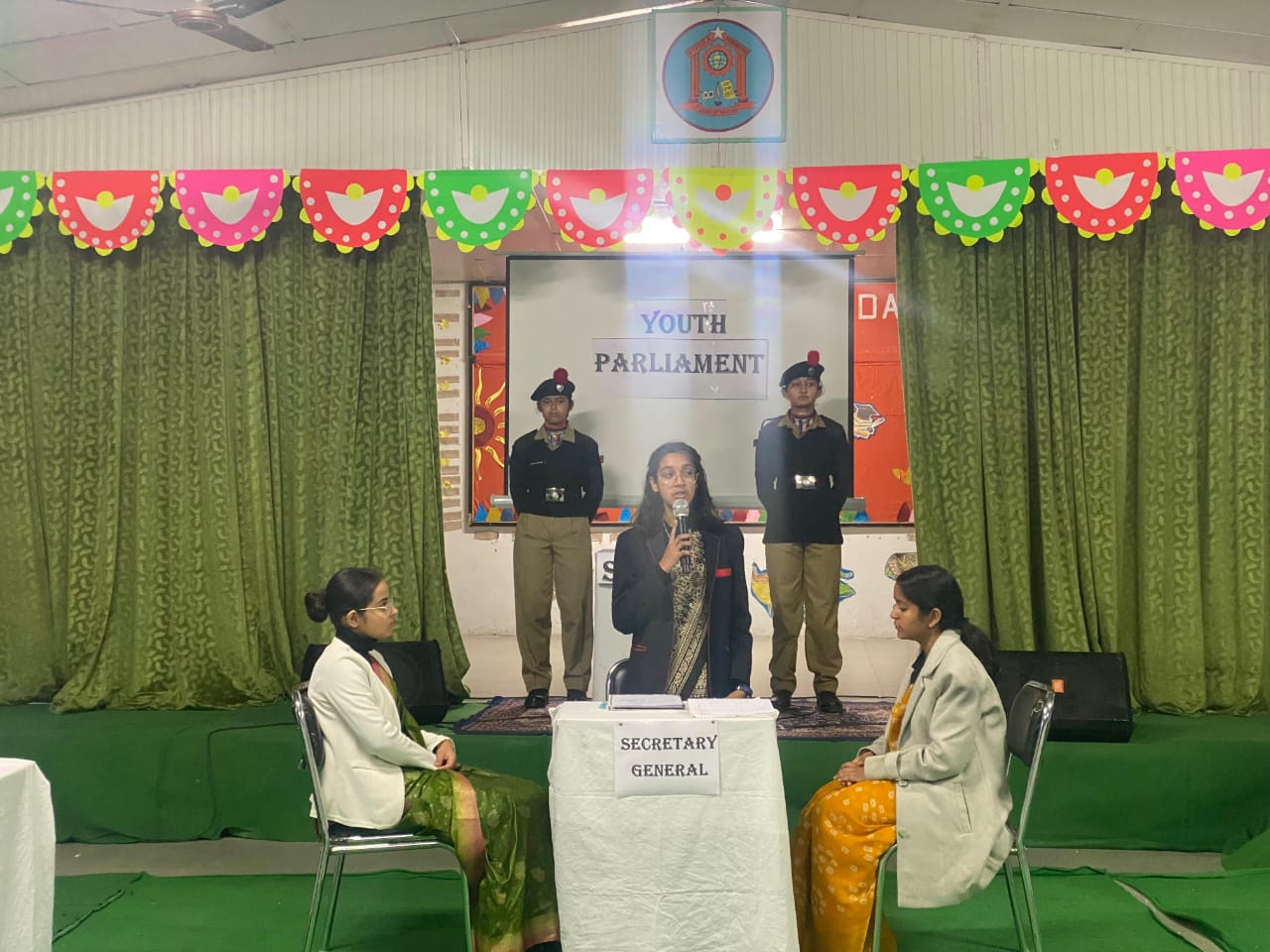
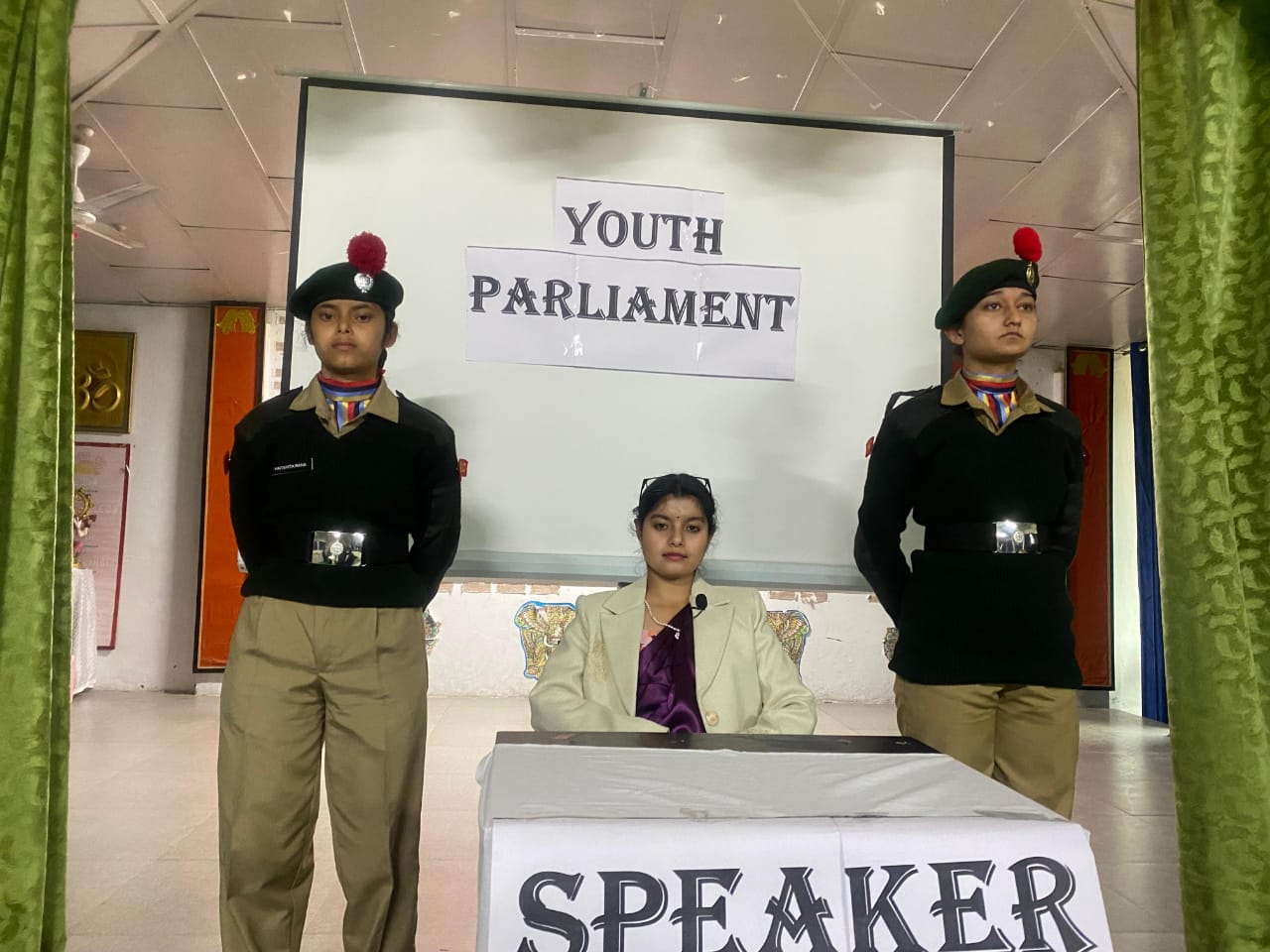
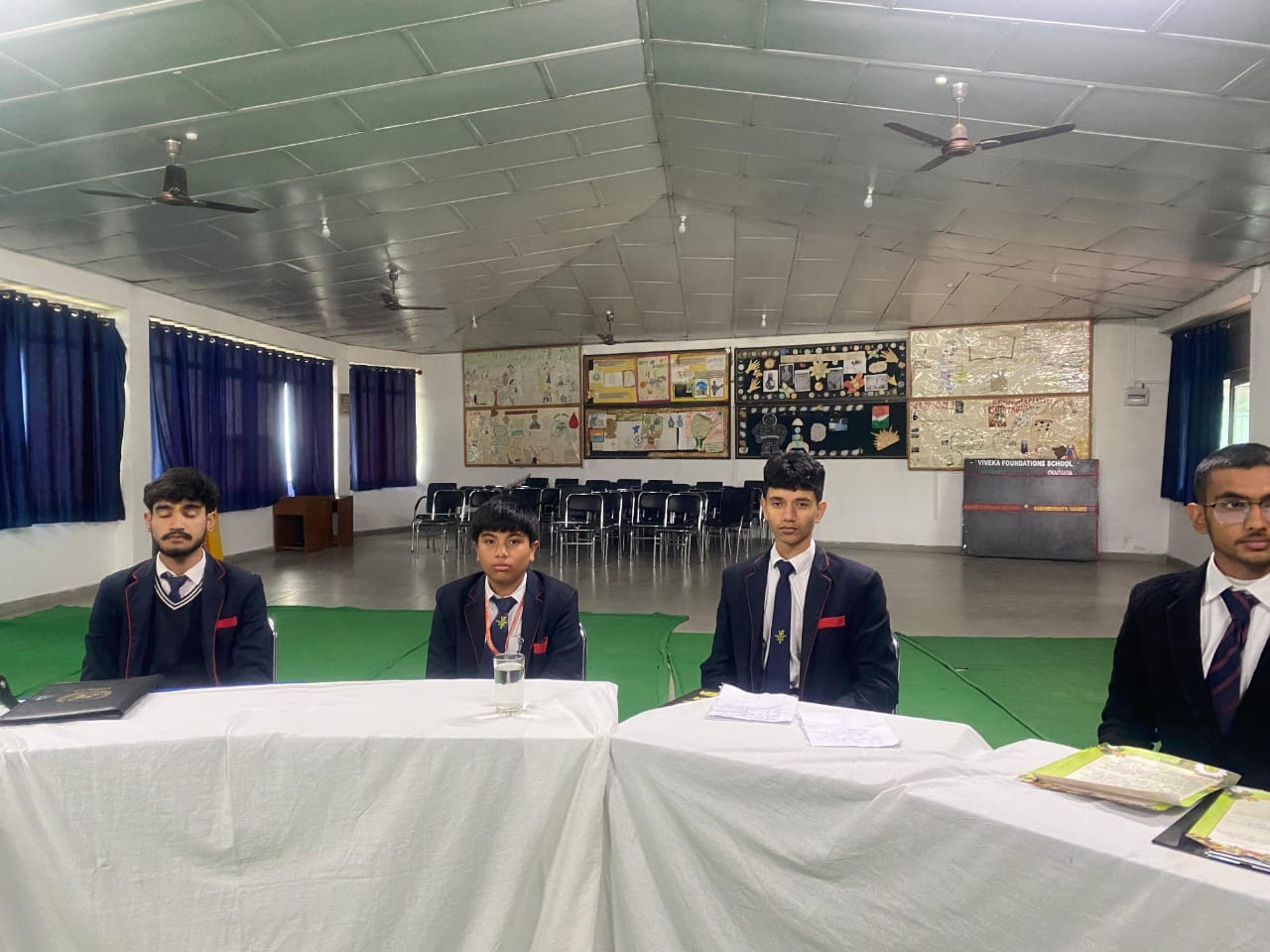
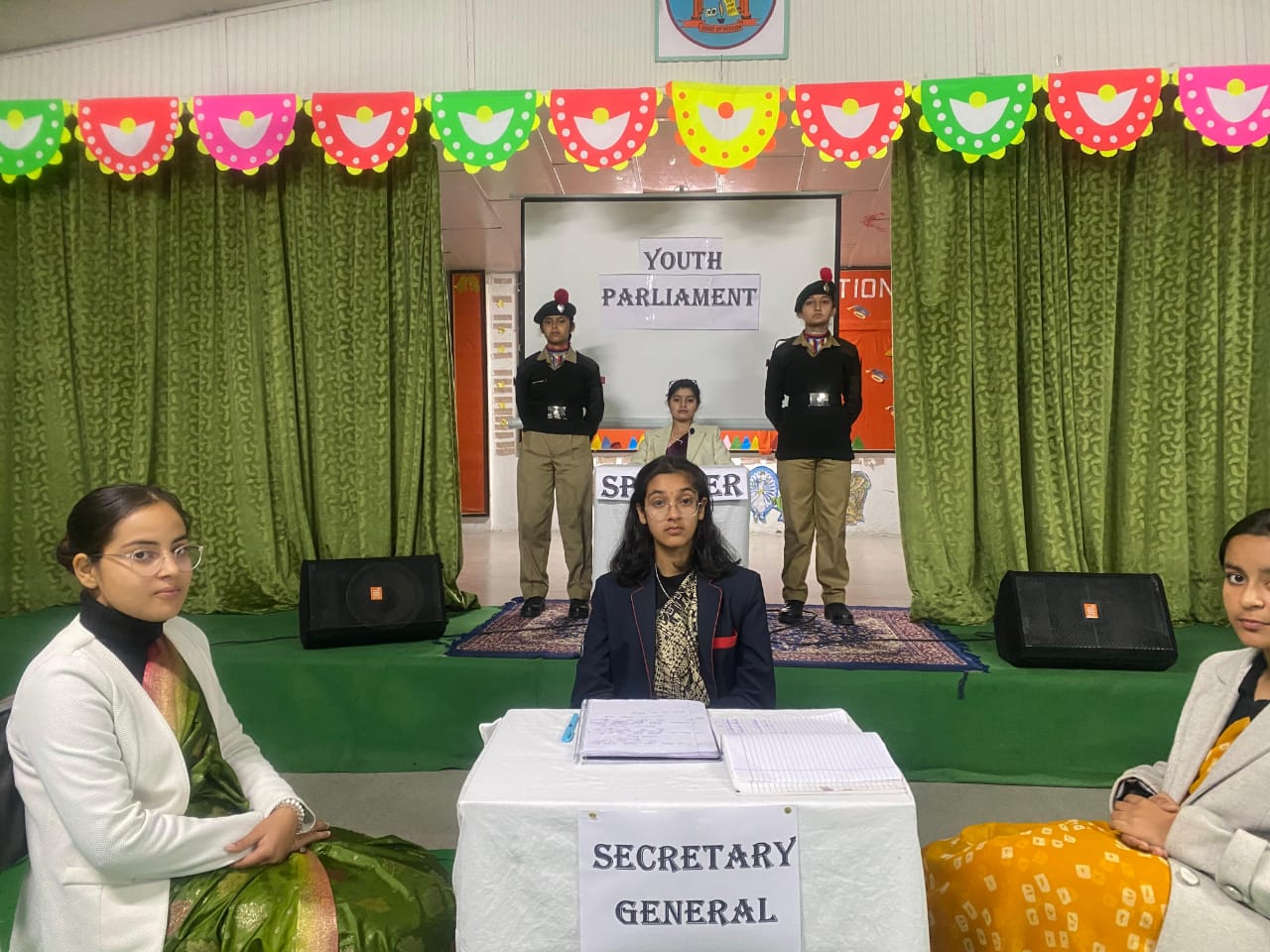
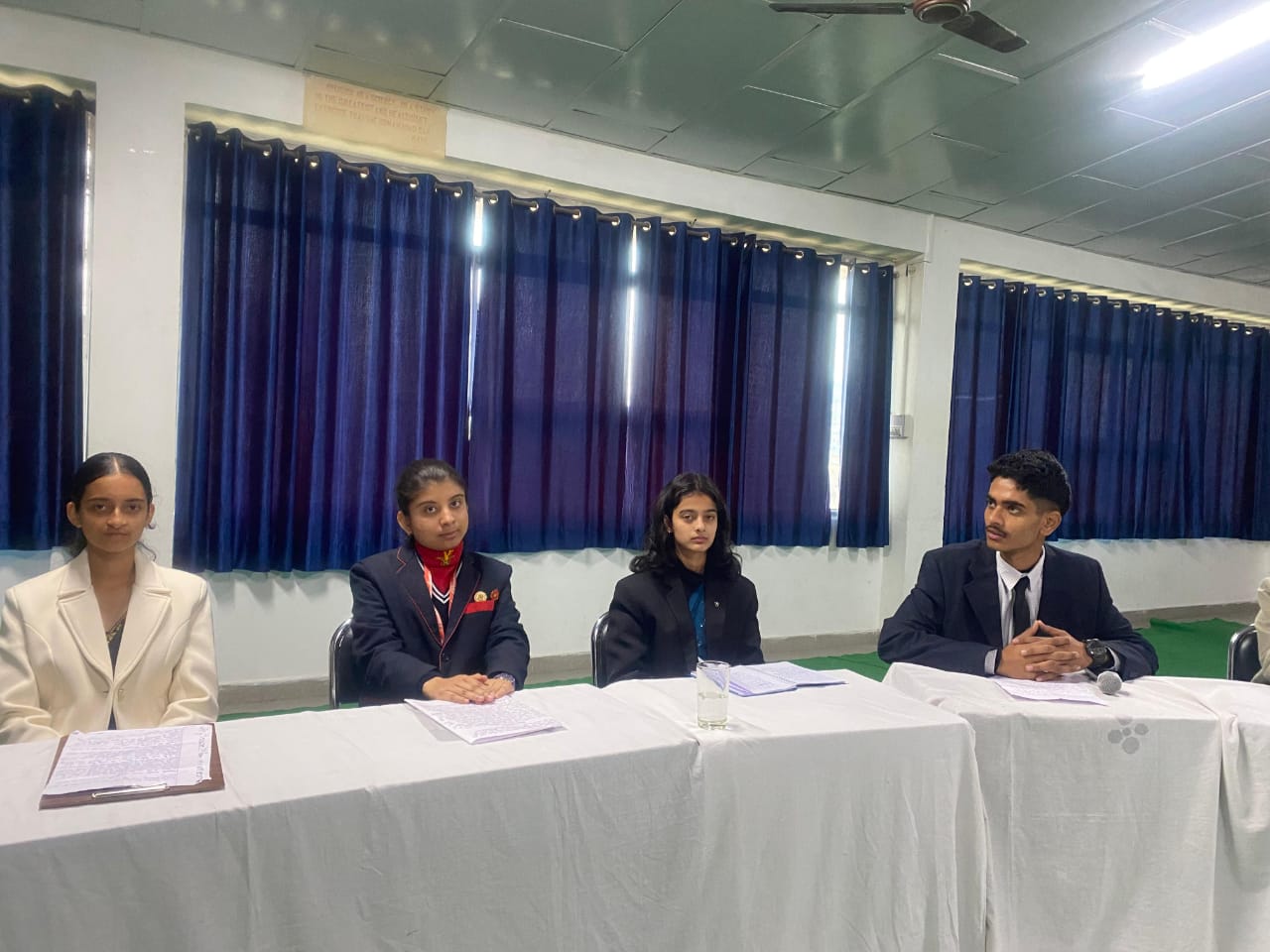
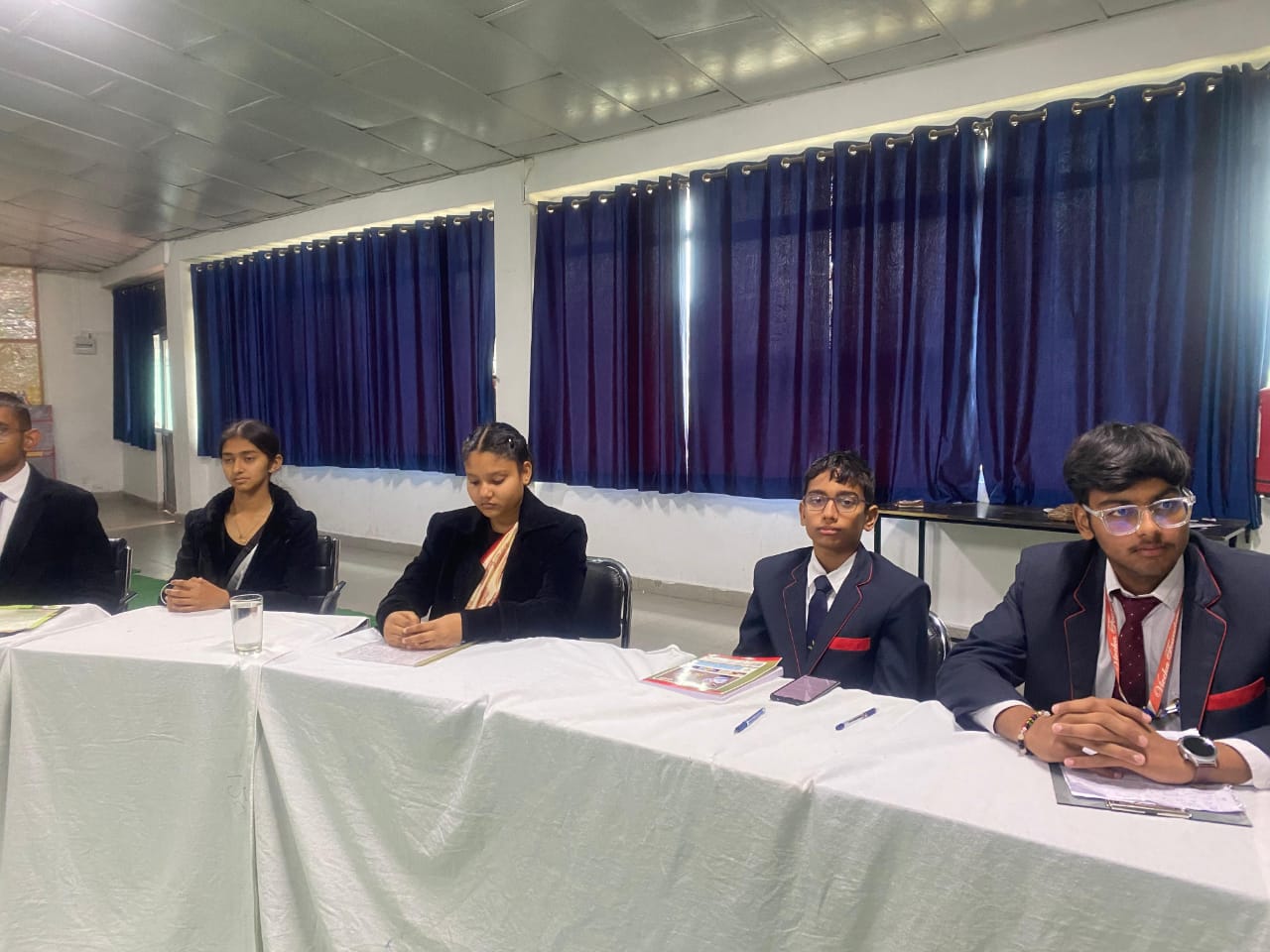
The Youth Parliament program is an educational initiative designed to simulate the functioning of India's Parliament, allowing students to engage in mock debates, discussions, and decision-making processes. This program aims to nurture democratic values, leadership skills, and civic awareness among young Indians, particularly those in classes 9th to 12th.
The event you described seems to follow a typical structure of a Youth Parliament session:
- Oath Ceremony: Participants take an oath to uphold the Constitution and rules of the parliament.
- Obituary References: Participants pay tribute to notable individuals who have passed away.
- Discussion Topics: The topics discussed included :
- Reservation System in India: A debate on the merits and drawbacks of India's reservation system.
- Civic Sense: The importance of civic responsibility and community service.
- Special Intensive Revision: Potential discussions on education policies and revision strategies.
- Anti-Terrorism Policies of India: Strategies to combat terrorism and ensure national security.
- Startup India Stand Up India: Promoting entrepreneurship and innovation among youth.
- Vikshit Bharat: Discussions on India's development goals and vision.
- Social Influencers and Their Impact on Youth: The influence of social media and influencers on young minds.
- Online vs Offline Business: Debates on the pros and cons of online and offline businesses.
- Government's Failure in Sports Arena: Evaluating government performance in promoting sports.
- Question Hour: Participants ask questions to ministers or experts on various topics.
- Bill Introduction: Participants introduce bills on specific topics, mimicking the law-making process.
- Adjournment of Session: The session concludes with a sense of accomplishment and learning.
The Youth Parliament program has several benefits, including :
- Developing Leadership Skills: Participants develop leadership qualities, decision-making skills, and teamwork.
- Civic Awareness: Students gain a deeper understanding of democratic principles, governance, and civic responsibility.
- Critical Thinking and Debating: Participants learn to articulate their opinions, analyze issues, and think critically.